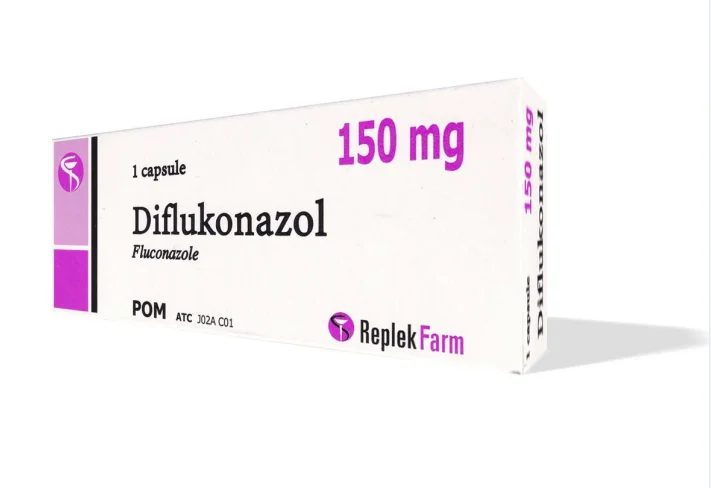
Դիֆլուկոնազոլ
Գտնել առցանց դեղատներում
1 դեղատուն


Դիֆլուկոնազոլ Բաղադրությունը
Each capsule contains 150 mg fluconazole. The other ingredients are: lactose monohydrate, maize starch, silica colloidal anhydrous, magnesium stearate, sodium laurilsulfate. An empty capsule contains: gelatin, titanium dioxide
Դիֆլուկոնազոլ Ցուցումները
Oropharyngeal, oesophageal and vaginal candidiasis; systemic candidiases (candidemia, disseminated candidiasis) and other forms of candidal infections (infections of the urinary tract, peritonitis, endocarditis, pneumonia); cryptococcal infections (cryptococcal meningitis and infections of the lungs and skin); coccidioidal meningitis; blastomycosis, coccidioidomycosis, histoplasmosis, superficial fungal infections, dermatophytoses and onychomycoses; prophylaxis of fungal infections at patients with HIV infection; prophylaxis of fungal infections at patients undergoing bone marrow transplantation and patients who receive cytotoxic chemotherapy or radiation therapy.
Դիֆլուկոնազոլ Հակացուցումները
Hypersensitivity to fluconazole or other components of the drug.
Դիֆլուկոնազոլ Կողմնակի ազդեցությունները
Like all medicines, Diflukonazol can cause side effects, although not everybody gets them. A few people develop allergic reactions although serious allergic reactions are rare. If you get any of the following symptoms, tell your doctor immediately. sudden wheezing, difficulty in breathing or tightness in the chest, swelling of eyelids, face or lips, itching all over the body reddening of the skin or itchy red spots, skin rash, severe skin reactions such as a rash that causes blistering (this can affect the mouth and tongue). Diflukonazol may affect your liver. The signs of liver problems include: tiredness, loss of appetite, vomiting, yellowing of your skin or the whites of your eyes (jaundice). If any of these happen, stop taking Diflukonazol and tell your doctor immediately. Other side effects: Additionally, if any of the following side effects gets serious, or if you notice any side effects not listed in this leaflet, please tell your doctor or pharmacist. Common side effects which affect 1 to 10 users in 100 are listed below: headache, stomach discomfort, diarrhoea, feeling sick, vomiting, increases in blood tests of liver function, rash. Uncommon side effects which affect 1 to 10 users in 1,000 are listed below: reduction in red blood cells which can make skin pale and cause weakness or breathlessness, decreased appetite, inability to sleep, feeling drowsy, fit (convulsions), dizziness, sensation of spinning, tingling, pricking or numbness, changes in sense of taste, constipation, difficult digestion, wind, dry mouth, muscle pain, liver damage and yellowing of the skin and eyes (jaundice), wheals, blistering (hives), itching, increased sweating, tiredness, general feeling of being unwell, fever. Rare side effects which affect 1 to 10 users in 10,000 are listed below: lower than normal white blood cells that help defend against infections and blood cells that help to stop bleeding, red or purple discoloration of the skin which may be caused by low platelet count, other blood cell changes, blood chemistry changes (high blood levels of cholesterol, fats), low blood potassium, shaking, abnormal electrocardiogram (ECG), change in heart rate or rhythm, liver failure, allergic reactions (sometimes severe), including widespread blistering rash and skin peeling, severe skin reactions, swelling of the lips or face, hair loss.
Դիֆլուկոնազոլ Փոխազդեցությունները
Tell your doctor or pharmacist if you are taking, have recently taken or might take any other medicines. Tell your doctor immediately if you are taking astemizole, terfenadine (an antihistamine for treating allergies) or cisapride (used for stomach upsets) or pimozide (used for treating mental illness) or quinidine (used for treating heart arrhythmia) or erythromycin (an antibiotic for treating infections) as these should not be taken with Diflukonazol. There are some medicines that may interact with Diflukonazol. Make sure your doctor knows if you are taking any of the following medicines: rifampicin or rifabutin (antibiotics for infections), alfentanil, fentanyl (used as anaesthetic), amitriptyline, nortriptyline (used as anti-depressant), amphotericin B, voriconazole (anti-fungal), medicines that thin the blood to prevent blood clots (warfarin or similar medicines), benzodiazepines (midazolam, triazolam or similar medicines) used to help you sleep or for anxiety carbamazepine, phenytoin (used for treating fits), nifedipine, isradipine, amlodipine, verapamil, felodipine and losartan (for hypertension - high blood pressure), olaparib (used for treating ovarian cancer), ciclosporin, everolimus, sirolimus or tacrolimus (to prevent transplant rejection), cyclophosphamide, vinca alkaloids (vincristine, vinblastine or similar medicines) used for treating cancer, halofantrine (used for treating malaria), statins (atorvastatin, simvastatin and fluvastatin or similar medicines) used for reducing high cholesterol levels, methadone (used for pain), celecoxib, flurbiprofen, naproxen, ibuprofen, lornoxicam, meloxicam, diclofenac (NonSteroidal Anti-Inflammatory Drugs (NSAID)), oral contraceptives, prednisone (steroid), zidovudine, also known as AZT; saquinavir (used in HIV-infected patients), medicines for diabetes such as chlorpropamide, glibenclamide, glipizide or tolbutamide, theophylline (used to control asthma), tofacitinib (used for treating rheumatoid arthritis), vitamin A (nutritional supplement), ivacaftor (used for treating cystic fibrosis), amiodarone (used for treating uneven heartbeats ‘arrhythmias’), hydrochlorothiazide (a diuretic)
Դիֆլուկոնազոլ Գերադասումը
If you take more Diflukonazol than you should Taking too many capsules at once may make you unwell. Contact your doctor or your nearest hospital casualty department at once. The symptoms of a possible overdose may include hearing, seeing, feeling and thinking things that are not real (hallucination and paranoid behaviour). Symptomatic treatment (with supportive measures and gastric lavage if necessary) may be adequate.
Դիֆլուկոնազոլ Կիրառման եղանակ և դեղաչափերը
Adults Oropharyngeal candidiasis Treatment of maintenance at oropharyngeal candidiasis 200 mg on the first day of the treatment, continued with 100 or 200 mg once a day for a period of at least 2 weeks. 50-100 mgonce a day. Oesophageal candidiasis 200 mg on the first day of the treatment, continued with 100 or 200 mg once a day for a period of minimum 3 weeks and for at least 2 weeks after withdrawal of symptoms. Vaginal candidiasis Single dose of 150 mg. Systemic candidiasis 400 mg on the first day of the treatment, continued with 200 mg once a day. 50-200 mg daily. Candidal infection of the urinary tract and peritonitis Invasive candidiasis 400-800 mg daily. Treatment should be continued for a period of minimum 4 weeks and for at least 2 weeks after withdrawal of symptoms. Cryptococcal meningitis Cryptococcal meningitis at patients with HIV infection 400 mg on the first day of the treatment, continued with 200 to 400 mg once a day for a period of 10-12 weeks. 800-1000 mg daily. Coccidioidal meningitis 200-800 mg daily. Coccidioidal meningitisat patients with HIV infection 400-800 mg daily Blastomycosis or histoplasmosis 400-800 mg daily. Prophylaxis of fungal infections The recommended doses for the prophylaxis of relapse of oropharyngeal, oesophageal and vaginal candidiasis at patients with HIV infection or adolescents with recurrent candidiases are 100-200 mg once a day. The recommended dose for the prophylaxis of relapse of recurrent vaginal candidiasis is 150 mg once a week for a period of 6 months. The recommended dose for the prophylaxis of candidiasis at patients undergoing bone marrow transplantation is 400 mg once a day. Patients who are anticipated to have severe neutropenia (neutrophils count less than 500/mm3 ) should start fluconazoletherapy several days before the anticipated onset of neutropenia, and continue for 7 days after the neutrophils count rises above 1000/ mm. Pediatric dosing Usual dosing of fluconazoleat paediatric patients is 3-12 mg/kg/day. Doses exceeding 12 mg/kg/day are not recommended. Doses of 3, 6 or 12 mg/kg/day at paediatric patients are equivalent to doses of 100, 200 or 400 mg daily at adults. Meningitis or septicaemia caused by sensitive sorts of Candida 6 mg/kg once a day (at newborns and infants up to 3 months of age). Oropharyngeal candidiasis 6 mg/kg on the first day of the treatment, continued with mg/kg once a day for a period of 2 weeks. Oesophageal candidiasis 6 mg/kg on the first day of the treatment, continued with 3 mg/kg once a day for a period of minimum 3 weeks and for at least 2 weeks after withdrawal of symptoms. The dose might be increased up to 12 mg/kg daily if it is necessary. Systemic candidiasis 6-12 mg/kg daily. Cryptococcal meningitis 12 mg/kg on the first day of the treatment, continued with 6 mg/kg once a day for a period of 10-12 weeks. The dose might be increased up to 12 mg/kg daily if it is necessary. Dosing at impaired renal function At adults with impaired renal function it is recommended to take initial usual dose of 50-400 mg fluconazole and then according of clearance of creatinine the interval of dosing is changed or the daily dose is modified following this table: > 40 ml/min 24 hours (usual daily dose) 21 - 40 ml/min 48 hours (1/2 of the daily dose) 10 - 20 ml/min 72 hours (1/3 of the daily dose) Patients on regular dialysis 1 daily dose after every dialysis. Dosage reduction at children with impaired renal function should be in accordance with the recommendations for the adults. If you forget to take Diflukonazol Do not take a double dose to make up for a forgotten dose. If you forget to take a dose, take it as soon as you remember. If it is almost time for your next dose, do not take the dose that you missed
Դիֆլուկոնազոլ Պահպանման պայմանները
Keep out of the reach and sight of children. Do not store above 25 C.
Սա դեղի նկարագրություն է տեղեկատվական նպատակով և չի փոխարինում պաշտոնական հրահանգին։ Ընդունման սխեման որոշում է բժիշկը։